Unhinged Marketing: Is It Really Worth the Risk?
Unhinged marketing grabs attention with shock and chaos, but is it worth the risk? Here's when it pays off for brands and when it backfires.
If your ads keep getting scrolled past, you've probably wondered whether going louder and weirder would finally make people pay attention — but unhinged marketing carries real risk alongside the reward. This guide breaks down when chaotic, shock-driven campaigns actually pay off, when they blow up in a brand's face, and how to tell the difference before you commit budget. It's the same risk-versus-reward thinking our influencer marketing team applies to every campaign we run.
What exactly is unhinged marketing?
Unhinged marketing is what happens when brands decide to take the gloves off and shake things up. Instead of safe, polished, and predictable ad messages, brands go rogue — often shocking, funny, or even controversial on purpose. Think of it as marketing that’s out to surprise, disrupt, and get people talking. Sometimes it’s a bizarre commercial, sometimes it’s a stunt that flirts with the edge of appropriateness, and other times, it’s just downright weird.
Remember when Wendy’s shifted from polite customer service to unhinged X roasts, calling out both customers and competitors with sarcastic wit? That’s unhinged marketing in action. Or Liquid Death, the water brand that uses heavy metal vibes and twisted humor to sell canned water. These campaigns aim to catch you off guard, make you laugh, or maybe even do a double-take.
Why do brands do this?
Why would a company risk being edgy or controversial? Well, it’s simple — attention. In a world where we’re bombarded with hundreds of ads every day, most of us have learned to tune them out. Unhinged marketing breaks through that barrier. It’s like someone yelling in a quiet room; it demands your focus.
Here’s why it works for some:
✅ It goes viral. Everybody loves sharing weird, funny, or provocative things. The crazier the ad, the better it goes across social media, becoming the talking point. Virality does wonders for a brand’s visibility, and it often doesn’t take a big budget to make it happen.
✅ It makes a brand stand out. Unhinged marketing can set a brand apart from its competition in crowded industries where products and services feel nearly identical. It creates an image that people remember, even if it’s just for how outlandish it was.
✅ It engages audiences. It is all about inviting people to join in! Everyone is welcome to get involved, whether it is through sharing, commenting, or even creating memes based on the campaign. People appreciate feeling like they’re part of the joke or the sensation, and this engagement can help to create a stronger connection with the brand.
✅ It speaks to younger crowds. Gen Z and Millennials are somewhat skeptical towards classic advertising. They want brands that feel fresh, are genuinely authentic, and will take some risks. Unhinged marketing speaks well because of the use of humor and pop culture references that are relatable and fun. The same instincts power our paid social work, where bold creative has to earn attention in a fraction of a second.
The risks: when unhinged marketing goes too far
Of course, going rogue with your marketing comes with some serious risks. The same thing that gets people talking can also backfire spectacularly. Here’s what could go wrong:
⚠️ You might get backlash. Each time you play with fire, there is one sure chance of things going wrong. What one person finds funny, another might find offensive. And with the power of social media nowadays, one mistake tends to go viral all the wrong ways, leading to outrage and negative press about your brand. You never know when your edgy campaign might be perceived as insensitive or tone-deaf.
⚠️ Short-lived success. Unhinged marketing tends to have a ‘here today, gone tomorrow’ kind of impact. Although a viral moment may momentarily elevate sales or enhance brand awareness, it doesn’t always translate into long-term success. If there’s no real connection to the brand’s identity, people might forget about it as quickly as they click ‘like’.
⚠️ Alienating customers. Not everyone loves unhinged marketing. If your audience includes people who prefer more traditional, straightforward messaging, your wild campaign could push them away. Sometimes, a funny joke or quirky message lands with one group but alienates another, making it tricky to keep everyone happy.
⚠️ Legal and ethical pitfalls. In the race to be edgy, some brands tip into regulatory or ethical missteps. A campaign that seemed fun at the drawing board might break advertising rules or cross ethical lines, landing the brand in hot water legally or damaging its reputation.
Want to see how bold creative gets pulled off without the blowups? This breakdown is a useful watch:
The success stories
Despite all the possible pitfalls that may be attributed to such adventures, a few brands have succeeded in pulling off bold and fearless marketing stunts. Creatively daring, these campaigns helped raise their visibility in the market significantly, while leaving long-lasting impressions on consumers too, thereby making the brand etching memorable in their audience’s mind:
🔥 Wendy’s
Since 2017, Wendy’s has gained attention for its witty marketing strategy. On X and Facebook, roast-heavy content secures followers at 3.8 and 8.3 million, respectively. While direct links to sales are hard to pinpoint, Wendy’s has seen a sales boost and stronger brand equity since adopting this playful approach.
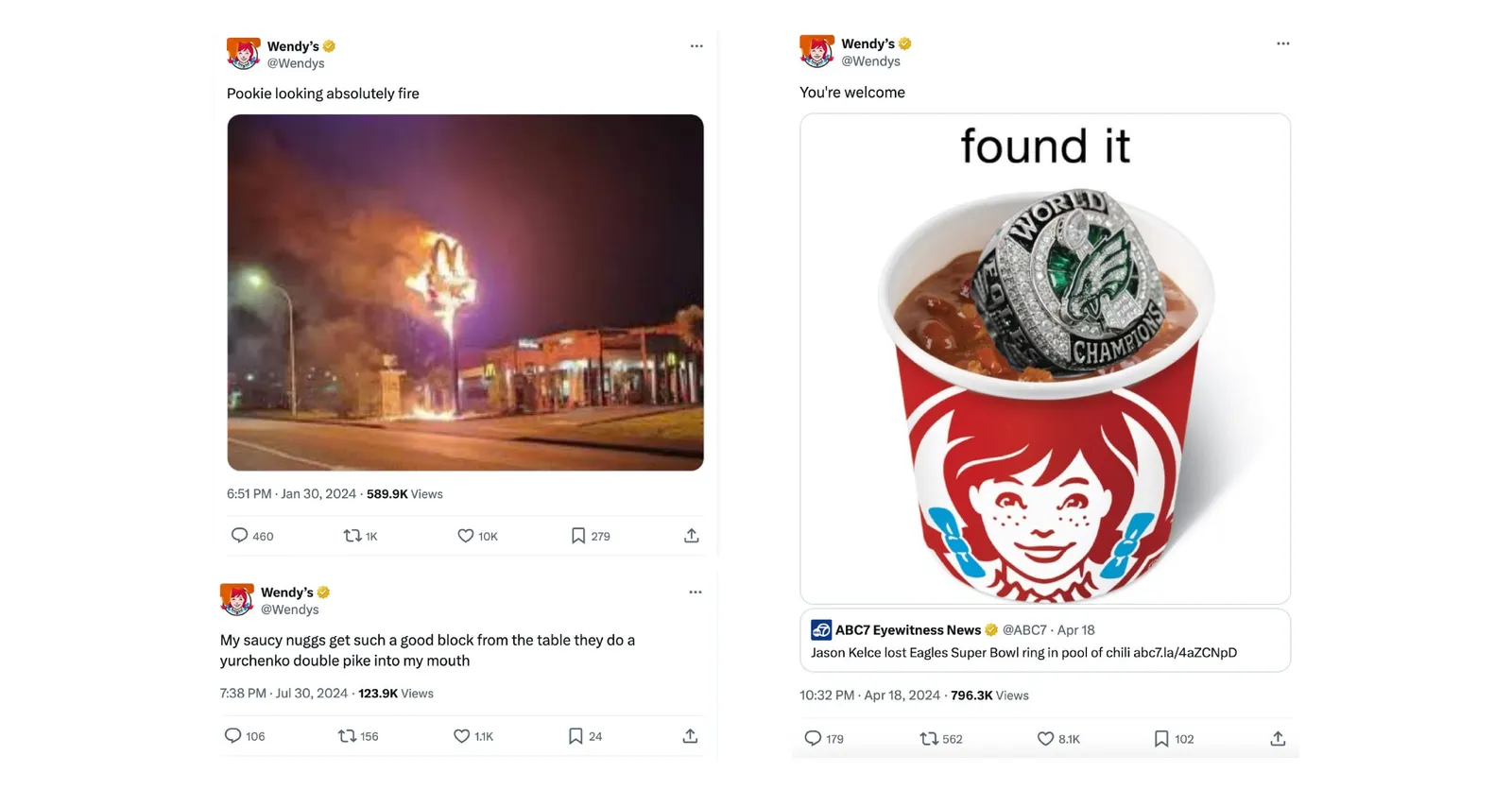
Carefully crafted and pre-approved to avoid backlash, Wendy’s consistent, entertaining voice across social media helps them stand out in the crowded fast food industry, making their strategy a standout example of effective, unconventional marketing.
🔥 Old Spice
One effective and innovative marketing campaign that revived the brand is the Old Spice campaign ‘The Man Your Man Could Smell Like’. The campaign launched in 2010 during Super Bowl XLIV, targeting both men and women since women are often very influential in what men buy for grooming. Fronted by Isaiah Mustafa, aka the ‘Old Spice Guy’, it combined humor, TV, digital media, and interactive social media videos in its viral success.
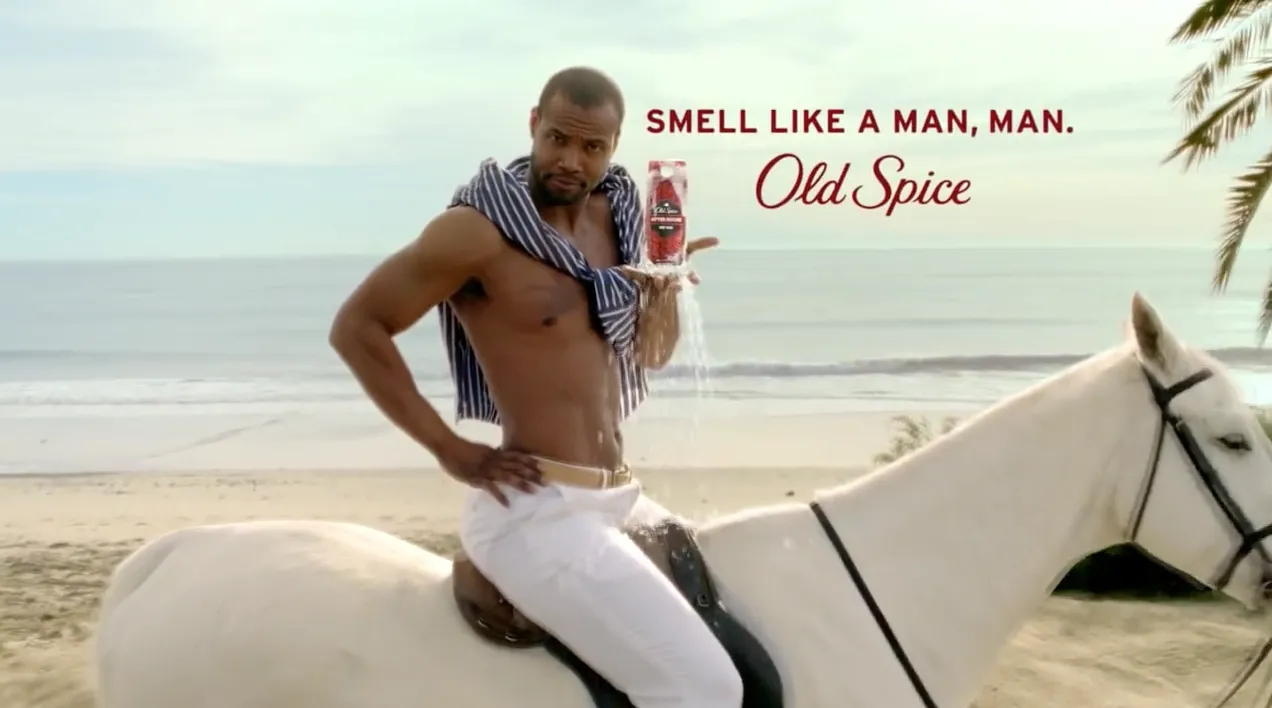
The first commercial viewed millions on YouTube, and in the first week, Old Spice gained 2700% more followers on X and a rise of 60% in its Facebook fans. Sales skyrocketed, and the brand reigned high above all brands. However, this campaign did not create long-term results since more engaging effects did not support it; thus, the success of a brand depends on the long-term commitment of consumers.
🔥 Liquid Death
Bold, unconventional marketing has fueled Liquid Death’s success. The edgy branding and provocative campaigns — most memorably featuring Ozzy Osbourne — are head-turners in a very crowded market. Positioned as an entertainment brand, they create engaging content on social media and partner with celebrities like Martha Stewart. In 2022, Liquid Death partnered with Martha for a Halloween campaign, releasing a limited edition candle called “Dismembered Moments.” Shaped as a severed hand holding a Liquid Death can, the $58 candle had a 60-hour burn time and was sold on Stewart’s website. The campaign featured a humorous, gruesome video of Stewart wielding a large knife, aligning with Liquid Death’s quirky, edgy marketing style.
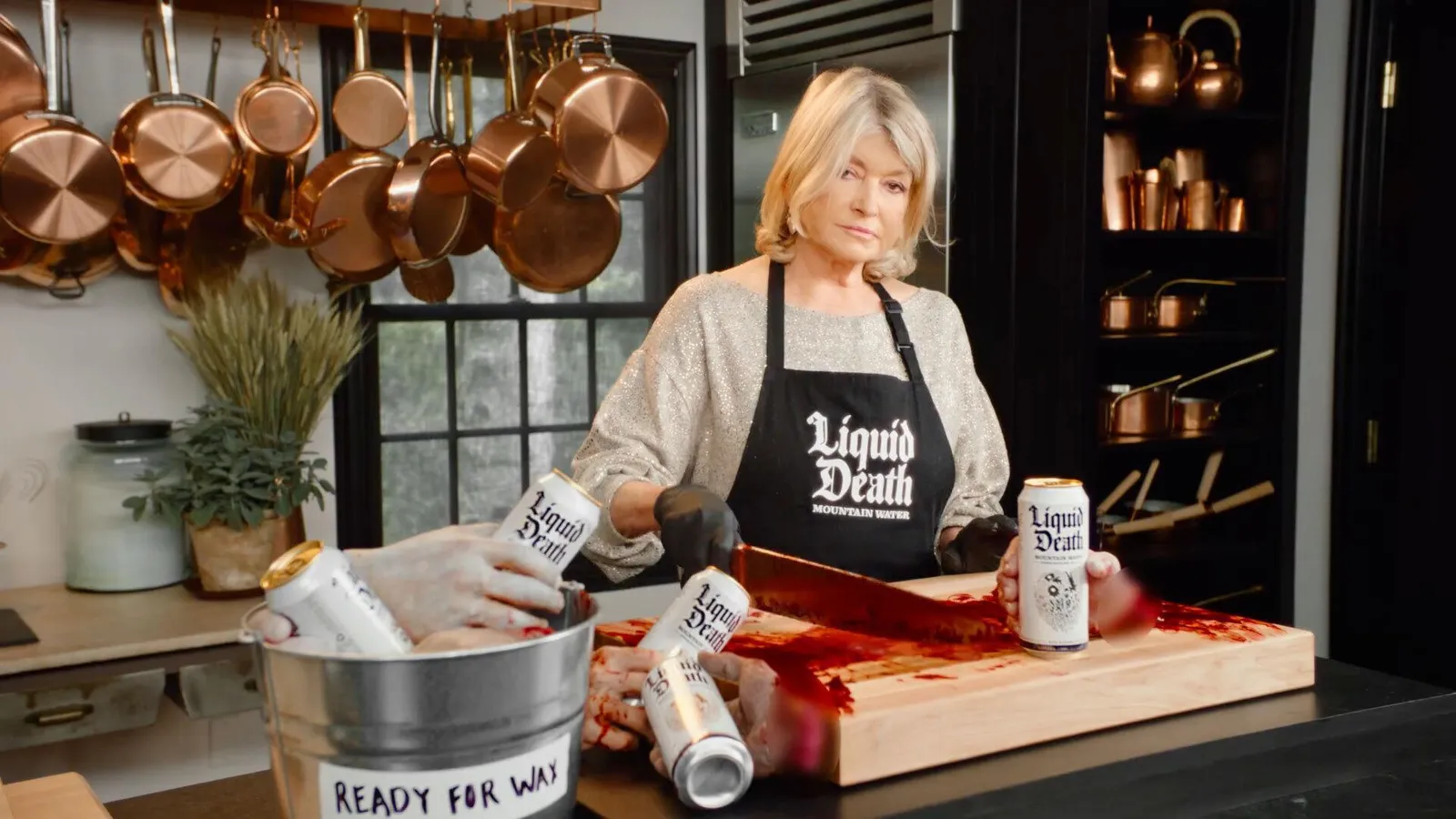
Their commitment to sustainability, using aluminum cans and supporting environmental causes, is also key. Strong community building and a loyalty program have helped boost sales from $2.8 million in 2019 to $130 million in 2022, with the brand now valued at $700 million. The throughline across these wins is disciplined UGC and creative production — chaos that still ladders up to a clear brand story rather than random shock.
The flops
Not every bold marketing campaign has a happy ending. While creative strategies can generate excitement, they can also backfire, leaving brands to mend their reputations. A campaign that doesn’t resonate with the audience or causes offense can lead to public outrage, boycotts, and social media backlash, resulting in lost revenue and long-term harm to the brand’s image.
😞 Pepsi’s Kendall Jenner Ad
The 2017 Pepsi ad campaign featuring Kendall Jenner faced heavy criticism for attempting to align with social justice themes in a way that felt out of touch. The commercial depicted Jenner joining a diverse protest and offering a can of Pepsi to a police officer — an act many condemned as trivializing complex social movements.
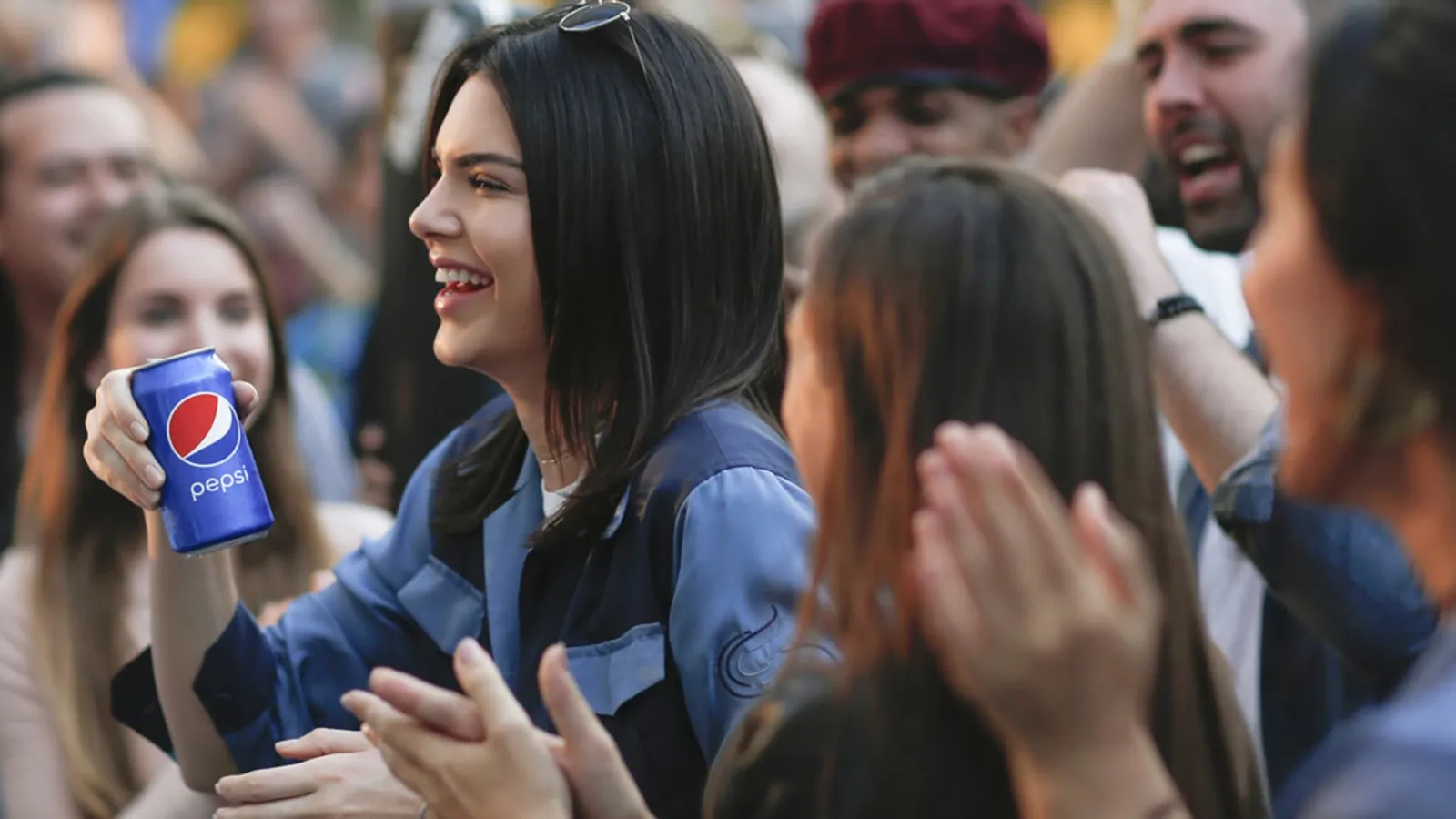
The lack of testing before its release led to an immediate backlash, significantly damaging Pepsi’s brand reputation. The ad was pulled within a day, resulting in over $5 million in losses. Although this was a painful lesson in tone-deaf advertising, it ultimately had little long-term impact on Pepsi’s brand or revenue.
😞 Apple, iPad Pro ‘Crush’ Campaign
Apple’s May 2024 iPad Pro ‘Crush’ campaign backfired, igniting widespread criticism for its perceived insensitivity toward creativity. The ad featured a hydraulic press smashing creative tools like guitars and art supplies to highlight the iPad’s versatility, but many saw it as symbolizing technology crushing human creativity.

Public figures like Hugh Grant slammed the ad as destructive, and Apple quickly apologized, admitting it ‘missed the mark’. Despite over 60 million views online, the campaign was pulled from TV, with critics noting its dystopian tone clashed with Apple’s past celebrations of creativity, especially amid growing fears of AI’s impact on the arts.
Frequently asked questions
What is unhinged marketing?
Unhinged marketing is a deliberately bold, chaotic, and often controversial advertising style that ditches safe messaging to shock, amuse, or disrupt. Brands like Wendy’s and Liquid Death use it to break through ad fatigue and get people talking.
Is unhinged marketing worth the risk for a brand?
It’s worth the risk only when the chaos genuinely aligns with your brand identity and your audience welcomes the edge. Done well it sparks virality and cultural moments; done purely for shock value it invites backlash and lasting reputation damage.
How can brands avoid backlash with edgy marketing?
Pre-test campaigns with real audiences, keep the tone consistent with your brand voice, and never punch down on sensitive social issues. Wendy’s pre-approves its roasts, while tone-deaf efforts like the Pepsi and Apple ads skipped that scrutiny and paid for it.
So, is it worth it?
Unhinged marketing can be a powerful tool for the right brand, but it’s not for everyone. It only works when it aligns with the brand’s identity and appeals to an audience that is open to taking risks. When done well, it can make a brand go viral, attract new customers, and create cultural moments. However, if it fails, it can alienate loyal customers, lead to PR nightmares, and damage the brand’s reputation in ways that are hard to recover from.
Understanding your audience and finding the right balance while staying clear about what your brand stands for is crucial for success. If this is the case, then unhinged marketing might be worth the risk. However, if you’re just doing it for shock value, be prepared for it to backfire because while unhinged marketing is attention-grabbing, it’s also very unpredictable. If you want bold creative that takes smart risks instead of reckless ones, see how our influencer marketing team does it and browse the results in our case studies.
Keep reading.
View allIn-house team, embedded operator or agency: how game studios should staff creator marketing
The real trade-offs between in-house, embedded operator, and agency creator marketing — and the hybrid model most growing game studios land on.
Gaming specialist vs. generalist influencer agency: what actually changes for a game studio
A gaming-first influencer agency sources creators by genre and platform, speaks CPI and payback windows, and treats Twitch as a core channel. Here is exactly what differs — and when a generalist is the right call.
Where Gaming Influencer Money Actually Goes: YouTube, Twitch and TikTok in 2025
YouTube 43%, Twitch 40%, TikTok 11%. And 64% of the money is PC and console, not mobile — the platform split of a $2.8 billion market.
Let's win the
game.
Whether you're soft-launching, scaling, or relaunching — we'll bring the creators, the creative and the numbers.